DSH WorkBuddy Connect
corrinehu/dsh-workbuddy-connect将 WorkBuddy 桌面 App 包含的模型自动接入 DeepSeek Harness,在 DSH 对话窗口里零配置使用。

第三方模型的思考档位预设:内置 16 组按「厂家 → 模型」组织的官方档位,支持自定义档位与逐模式传输值,校验后直写 llm-pi-ai 配置;支持按模型在 OpenAI Chat Completions、OpenAI Responses 与 Anthropic Messages 三种协议间切换并自动重新分组路由;输入框提供「优化提示词」按钮,用设置中指定的大模型改写当前内容。
English | 中文
模型变速箱:第三方模型的思考档位预设、按模型切换协议,以及输入框内的提示词优化。
DSH 接入第三方大模型时的两个堵点,一个插件解决。
| 输入条优化 | 设置 → 模型变速箱 |
|---|---|
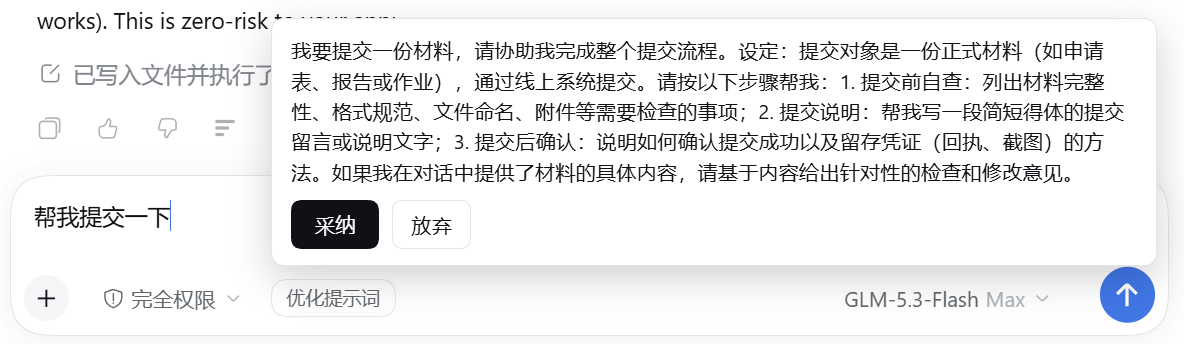 | 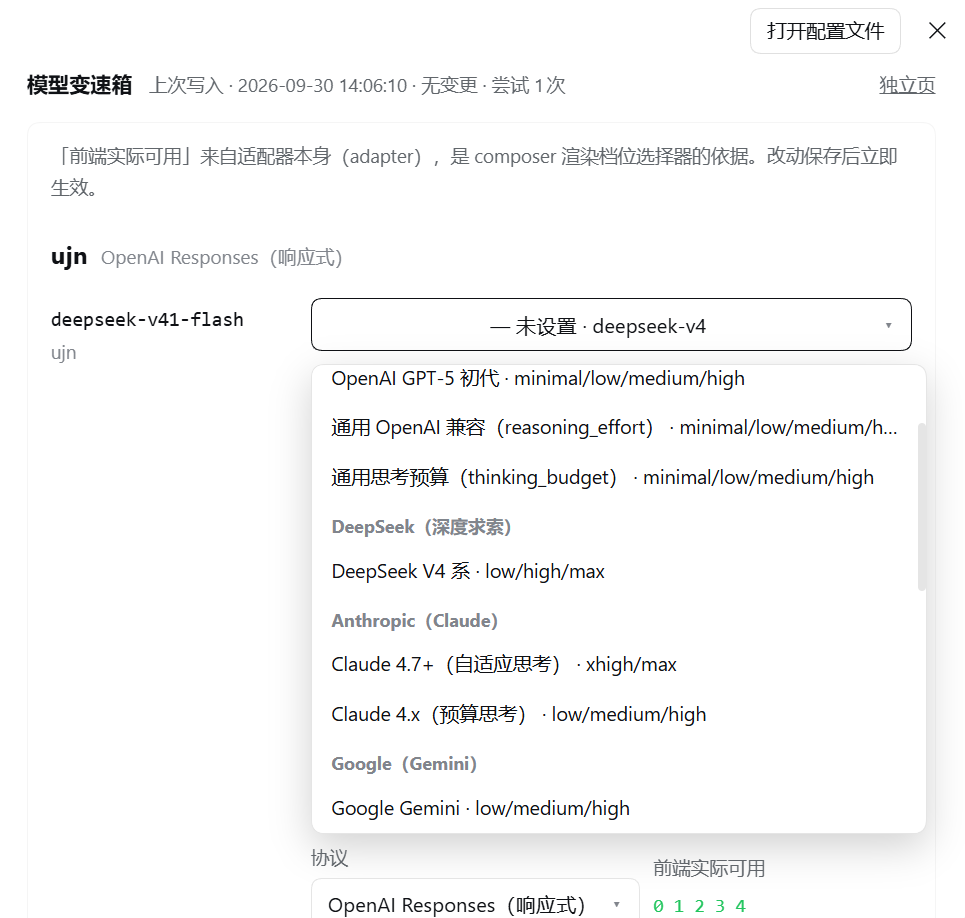 |
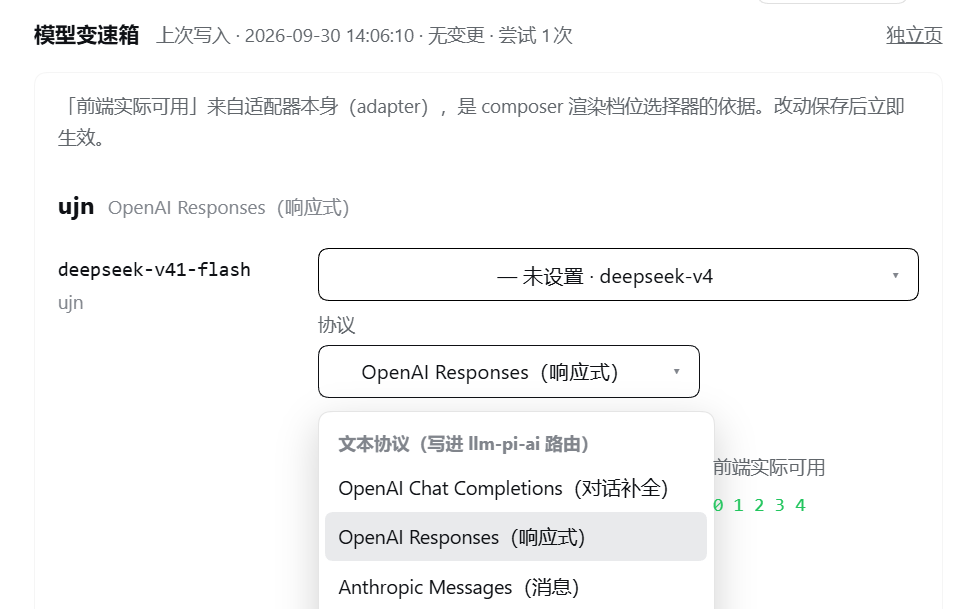 | 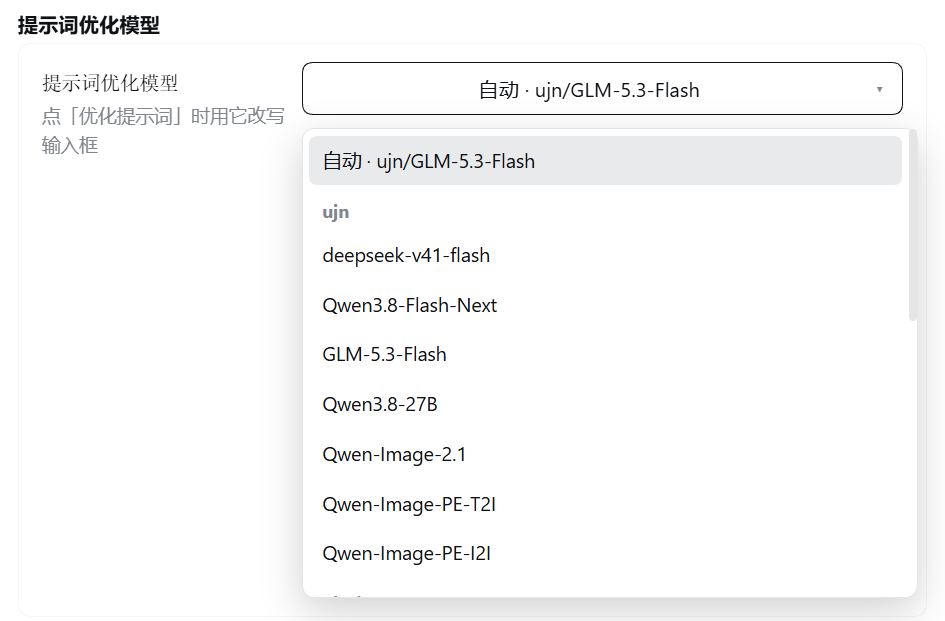 |
问题不在 DSH 缺能力,而在配置面没把知识暴露出来:接第三方模型时选不了思考档位,是因为手写的 models[] 没声明 reasoningEfforts,适配器就按"非思考模型"处理,composer 连 Effort 行都不渲染。而每家的字段与取值又各不相同:
| 端点形态 | 实际发出的字段 | 档位 |
|---|---|---|
| OpenAI Responses | reasoning:{effort} | none / minimal / low / medium / high / xhigh / max |
OpenAI Completions (openai) | reasoning_effort | 同上 |
| DeepSeek | thinking:{type} + reasoning_effort | low / high / max |
| 智谱 z.ai 官方端点 | thinking:{type} | 只有开 / 关,无级差 |
| 通义 | enable_thinking + reasoning_effort | qwen3.8 是 low / medium / xhigh——没有 high |
| OpenRouter | reasoning:{effort} | off → "none" |
| Anthropic 自适应 | thinking:{type:adaptive} + output_config.effort | xhigh / max |
| Anthropic 预算 | thinking:{type:enabled, budget_tokens:N} | token 预算 1024 / 8192 / 16384 |
本插件内置 16 组预设(全部抄自 DSH 内置 pi-ai 目录的实测映射),按模型名自动推荐,选中即用;也支持完全自定义(任意档位 → 任意线上值,如 max: "ultra")。
thinkingFormat 只有 openai-completions 收;写在 openai-responses 路由的模型上会被适配器直接判为非法,整次配置保存一起失败。插件按路由真实 api 裁剪 compat,并把裁剪结果作为"适配说明"回报,不静默丢弃。off 档位写 null 是非法写法("only off may leave it empty");"该端点没有这一档"的正确表达是省略该键。预设翻译层已按此处理。INVALID_CONFIG 会否掉整个 config,一条坏规则会连带用户其它规则一起丢。插件先把每条规则按适配器同款规则过一遍,不合法的单独拒绝并报告。applyMode: auto):走官方 configEditor 服务写进 llm-pi-ai 的 profile 行,配置是 volatile,写完即对下一次请求生效。写入幂等——配置重载会重新激活插件,不会反复写。POST /gears/api/export 或 /gears/api/validate(干跑,不写)。写 models[] 还是 modelOverrides 由路由形态决定,插件自动判断——两者互斥,同时出现会被适配器拒绝:
手写 models: 的路由改 models[] 条目;只靠内置目录的路由写 modelOverrides[<id>](否则会以一条残缺条目顶掉目录里的上下文窗口与模态声明)。
dsh plugin --profile <name> add dsh-gearbox
插件必须同时在 profile 的 bundle 栈里(dsh.profile.bundles)。bundle 层只在启动时组合,
所以新增插件需要重启一次;此后的配置改动都走 HMR,不用重启。
设置 → 插件 → dsh-gearbox。 配置表单由本插件的 Config schema 自动渲染,预设与
thinkingFormat 是下拉选择而非自由输入——写错会在保存时被拒,而不是静默写成一条不起作用的配置。
- id: gearbox
  name: "dsh-gearbox"
  config:
    applyMode: auto
    rules:
      - route: ujn
        model: GLM-5.3-Flash
        preset: glm-gateway
      - route: ujn
        model: Qwen3.8-Flash-Next
        preset: qwen38
    image:
      providers:
        ujn:
          baseURL: https://llm.example.com/v1
          apiKeyEnv: MY_API_KEY
          style: chat
          generator: Qwen-Image-2.1
          promptEnhancer: Qwen-Image-PE-T2I
          editEnhancer: Qwen-Image-PE-I2I
          size: 1024x1024
      defaultProvider: ujn
      saveDir: .dsh-gearbox
      autoEnhance: true
| 入口 | 位置 | 说明 |
|---|---|---|
| 设置 → 模型变速箱 | DSH 设置对话框左侧导航 | 插件注册的 settings.section 分节,内嵌下面那个设置页(带主题适配)。改动客户端半后需重载窗口(Ctrl+R)或重启应用才出现 |
/gears/ui | 插件自带网页 | 同一份内容,独立打开时更宽敞 |
| 对话输入区 | 选模型后 | 档位选择器(off / low / high / …),取决于该模型是否已配档位 |
设置页是表单驱动的,不要求你懂配置文件:
high:"enabled")收在「高级」折叠里,不影响日常使用。插件页的「配置 模型变速箱」来自 DSH 插件管理器的 config ledger + Host 的 settings RPC, 第三方插件控制不了它是否出现。这个页面是插件自己提供的,不依赖那条链路。
| 路由 | 说明 |
|---|---|
GET /gears/ui | 设置页(HTML) |
GET /gears/api/info | 状态摘要:预设数、路由、最近一次写入结果与适配说明、enhancer 配置 |
GET /gears/api/presets | 预设库全文 |
GET /gears/api/inventory | 各路由模型 + 适配器实际对外提供的档位 |
GET /gears/api/rules | 当前生效的规则与 applyMode |
POST /gears/api/validate | 干跑:只报告会写什么、会拒什么 |
POST /gears/api/apply | {rules} → 直写 llm-pi-ai |
POST /gears/api/export | {rules} → 可粘贴的 YAML 片段 |
node scripts/harness.mjs          # 本地验证台:mock ctx 跑通 apply / 工具 / 命令 / 路由 / 客户端半
node scripts/setup-dev-links.mjs  # 为 dev 目录接上 DSH 运行时依赖闭包(仅 linked 开发需要)
node scripts/wire-check.mjs       # 从**已写入的配置**推导线上请求体
node scripts/probe-endpoint.mjs ujn <model> high max   # 实测端点认不认 reasoning_effort
node scripts/probe-image-endpoint.mjs ujn <model>      # 实测图像端点真实返回形状
setup-dev-links.mjs插件的 host 半按裸名导入 @deepseek-ai/*,DSH 把这份依赖闭包装在
<DSH_HOME>/profiles/node_modules,Node 从真实路径逐级向上找 node_modules。
已发布的插件天然满足(装在闭包下层),但跨盘 file: 链接的开发目录(D:\... → C:\...)
会断链,症状是 ERR_MODULE_NOT_FOUND: Cannot find package '@deepseek-ai/schemastery'。
该脚本在插件目录里放一组 junction 补上这一跳。仅开发需要,node_modules/ 已被忽略且不进发布包。
dsh-app:// 下 ESM import 是语法错误;而且它和所有插件
拼成一段脚本,一条坏语句会掀翻整个渲染层,紧接着崩溃恢复会清掉 profile 配置。
必须用 window.__ModuleLoader__.load({ id, factory })。inject 只认扁平数组。{ required, optional } 这种写法在这个 cordis 版本里会被当成
要两个名叫 required/optional 的服务,插件永久 pending,路由一个都不注册。Gearbox: reasoning-effort presets for third-party models × an image-generation lane.
The plugin exists because the two blockers are knowledge problems, not capability problems.
A hand-written models[] that omits reasoningEfforts makes the adapter treat the model as
non-reasoning, and the composer then renders no Effort row at all. Meanwhile every vendor spells
its gears differently — reasoning_effort for OpenAI (with xhigh only from gpt-5.2, max from
gpt-5.6), thinking:{type} for DeepSeek, an on/off switch on the z.ai endpoint, enable_thinking
for Qwen where qwen3.8 has low/medium/xhigh and no high at all.
Sixteen presets transcribed from the pi-ai catalog shipped inside DSH, auto-suggested by model id. Three things the plugin gets right that a hand-written config does not:
thinkingFormat is a openai-completions-only switch. Naming it on a
model whose route is openai-responses fails resolution and discards the entire config save.
The plugin trims compat to what the route's api accepts and reports each trim as an adaptation
note instead of dropping it silently.off level is invalid — only off may leave it
empty. "This endpoint has no such gear" is expressed by omitting the key.INVALID_CONFIG denies the whole config, so one bad rule
would cost the user every other rule in the same write. Each rule is checked against the
adapter's own rules first and refused individually.models[] versus modelOverrides is chosen from the route's shape, because the adapter refuses
the two together: a hand-declared route edits its models entries, a catalog-backed route gets
only the changed fields in modelOverrides[<id>] (a bare models entry would shadow the catalog
entry and lose its context window and modalities).
The "Optimize" button in the composer rewrites the text you typed with a model you pick in the settings section. The instruction internalizes the behavior of LinqiuZz/Claude-prompt-skill- (MIT, 57 prompt frameworks): diagnose the input, match a framework by complexity and domain, fill in what is missing from the most reasonable interpretation — and never ask back or refuse for lack of detail, because a one-click button has no follow-up turn. Simple tasks must not get a heavyweight framework template.
The settings form is rendered from this plugin's Config schema, with preset and
thinkingFormat as pickers rather than free text — a typo is refused at save time instead of being
written as a config that silently does nothing. See the Chinese section for a full YAML example.
See the Chinese section: scripts/harness.mjs runs the plugin against a faithful mock host,
wire-check.mjs derives the request body from the written config, and the two probe-*
scripts measure what an endpoint actually honours — which is the one thing no local test can settle.
api 在 llm-pi-ai 里是路由级字段,按模型切换靠自动重新分组实现dsh-llm-pi-ai 的配置;线上字段由其适配器按路由 api 翻译将 WorkBuddy 桌面 App 包含的模型自动接入 DeepSeek Harness,在 DSH 对话窗口里零配置使用。
非官方 Command Code 模型接入插件:注册 `commandcode` 路由,带实时模型目录与推理强度支持。
将 OpenCode Zen 免费模型接入 DeepSeek Harness,无需 API Key。